



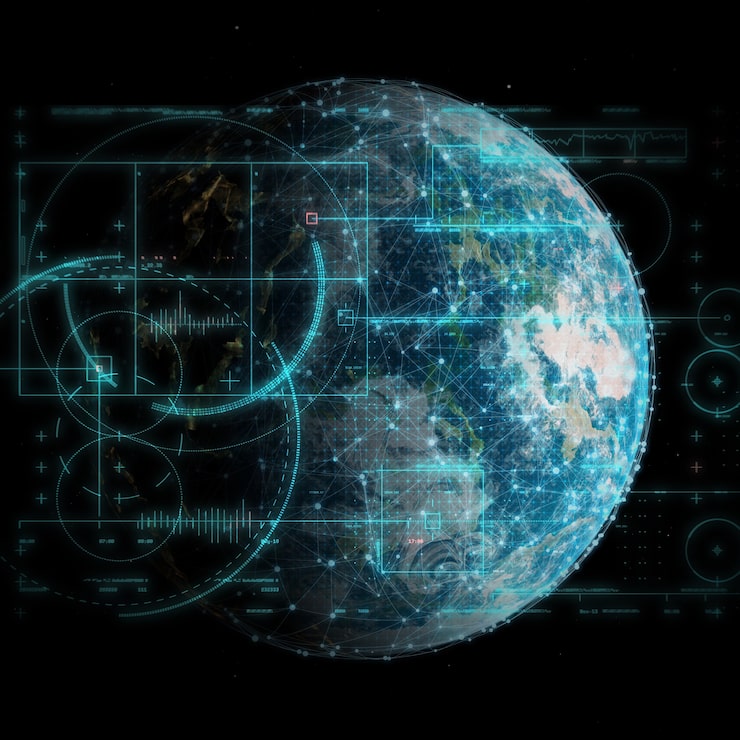
Satellites now watch the planet constantly. Earth observation technology plays a quiet but powerful role. It tracks land, oceans, and weather. As a result, decision makers act faster.
Years ago, data arrived slowly. However, modern satellites send updates daily. Therefore, monitoring has become more reliable.
Why Earth Observation Matters Today
Climate risks continue to rise. Therefore, accurate monitoring matters. Satellites measure heat, ice loss, and sea levels.
In addition, governments use data for planning. Flood warnings improve response times. As a result, damage drops.
Farming also depends on space-based data. Crop health becomes easier to track.

How Earth Observation Works
Satellites capture images and signals. Sensors detect light, heat, and movement.
Earth observation tools then process this data. Analysts review patterns. Therefore, trends become clear.
Some satellites circle the planet often. Others stay fixed. Together, they provide full coverage.
Key Uses Across Industries
Weather agencies rely on space data daily. Forecasts become more accurate.
Defense agencies also use satellite images. Border monitoring improves.
Meanwhile, environmental groups track deforestation. Illegal activity becomes harder to hide.
Challenges Still Facing the Field
Data volume grows rapidly. Therefore, storage and processing remain issues.
In addition, access remains uneven. Some nations lack full coverage.
Costs also remain high. Launching satellites takes investment.
What the Future Holds
Experts expect smaller satellites. Costs will drop.
Overall, earth observation continues to shape global awareness. The planet is now more visible than ever.