


Technology now claims to read human feelings. Emotion recognition systems analyze faces and voices. As a result, interest grows across industries.
However, questions follow closely. Accuracy and privacy remain major concerns.
What Emotion Recognition Does
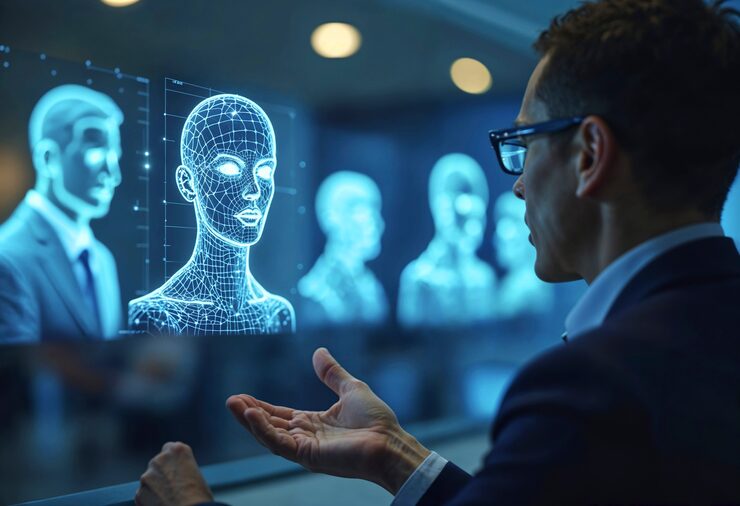
Emotion recognition software studies expressions and tone. It looks for emotional signals.
For example, systems analyze smiles or voice stress. Then they predict feelings.
Companies use this insight to adjust responses.

Where the Technology Is Used
Customer service centers test emotion tools. Calls get routed faster.
Education platforms track student engagement. Lessons adapt.
Meanwhile, security teams explore behavioral monitoring.
Why Adoption Is Rising
Businesses want better understanding. Emotions influence decisions.
In addition, automation reduces human workload. Systems respond instantly.
Remote interactions also increase demand. Digital emotion cues matter more.
Accuracy and Bias Issues
Human emotion is complex. Therefore, predictions often fall short.
Cultural differences also matter. Expressions vary widely.
As a result, critics urge caution.
Privacy and Ethics Debate
Monitoring emotions feels intrusive. Therefore, regulation discussions grow.
Some regions limit usage. Consent rules tighten.
Still, development continues rapidly.
What Comes Next
Experts expect clearer standards. Transparency may improve trust.
Overall, emotion recognition remains controversial. Its future depends on balance.